Candy Cane Wishes SVG: An Embroidery Review
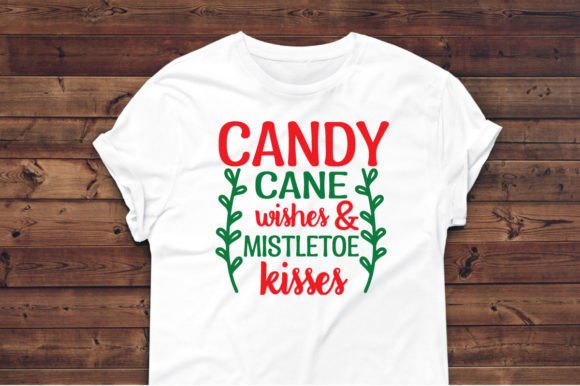
As a designer who has digitized and stitched out thousands of holiday graphics, I approach every new vector asset with a specific question: will this actually translate to thread? When I first opened the Candy Cane Wishes and-SVG Vector Design, my immediate focus was on the interplay between the typography and the illustrative elements. The phrase "Candy cane wishes and mistletoe kisses" suggests a playful, romantic, or family-oriented mood, but in the world of machine embroidery, sentiment must be balanced with structural integrity. This review evaluates this graphic not just as a digital download, but as a potential cornerstone for your holiday embroidery project lineup.
Translating Vector Lines to Stitch Paths
The provided files include an SVG, EPS, PDF, and a high-quality transparent PNG. For embroidery designers and digitizers, the SVG and EPS formats are the most critical starting points. Unlike raster images, these vectors provide clean node paths that can be imported into digitizing software to create precise stitch angles. When evaluating this design for a custom apparel run or a personalized gift, I look at the line weight. If the candy cane stripes are too thin, they risk becoming jagged running stitches; if they are substantial, they offer excellent coverage for satin stitch columns.
In my assessment, this design feels best suited for projects where clarity is paramount. The layout appears balanced enough to serve as a central chest placement on sweatshirt embroidery or a centered motif on a tote bag design. However, because this is marketed under T-Shirt Designs and Graphics, you must verify the complexity before committing to lightweight knits. A dense fill stitch area in the mistletoe berries could cause puckering on thin jersey fabric unless you adjust the stitch density or use a heavier cutaway stabilizer. Always treat the vector as a blueprint rather than a final instruction; your digitizing adjustments will determine whether the finished product looks professional or homemade.
Real-World Application: The Holiday Sweatshirt Test
To truly understand the value of the Candy Cane Wishes and-SVG Vector Design, I mentally placed it on a cream-colored cotton fleece sweatshirt intended for a small shop product launch. In this scenario, the design needs to evoke warmth and nostalgia while maintaining commercial viability. The text element is likely the anchor here. For embroidery, script fonts require careful attention to pull compensation. If the original vector has tight kerning, you may need to space the letters slightly further apart during digitization to prevent the satin stitches from merging into an illegible blob.
For a boutique owner or Etsy seller, this specific aesthetic bridges the gap between trendy and traditional. It works exceptionally well for matching family holiday pajamas or as a standalone statement piece. When stitching this out, I recommend testing thread colors against the garment base first. Classic red and green are safe, but using variegated threads for the candy cane or metallic gold for the mistletoe accents can elevate the perceived value of the handmade product. Just remember that metallic threads often require slower machine speeds and larger needles to prevent breakage, which impacts your production timeline for commercial embroidery orders.
Navigating Fabric Limitations and Hoop Constraints
While the versatility of this design is appealing, there are specific environments where caution is necessary. I would hesitate to use this design on highly textured fabrics like terry cloth or boucle without significant modification. The detail in the mistletoe leaves and the curvature of the candy cane can get lost in the pile of the fabric. Similarly, for baby embroidery items, safety and comfort are non-negotiable. If you are adapting this design for onesies or bibs, ensure the back of the embroidery is smooth. You might need to convert complex fill areas to lighter running stitch outlines or applique design techniques to reduce bulk against sensitive skin.
Hoop size is another practical constraint. Before purchasing or digitizing, confirm the dimensions of the Candy Cane Wishes and-SVG Vector Design against your available hoops. Resizing a vector is easy; resizing a digitized embroidery file by more than 10-20% can distort stitch density and ruin the design's integrity. If you plan to use this for curved surfaces like caps, the flat layout of the original graphic will likely need to be arched or re-digitized to accommodate the curve of the hat frame. Ignoring this step is a common mistake that leads to registration errors and wasted blanks.
Commercial Viability and Brand Consistency
For creative entrepreneurs and makers, consistency builds trust. Using this design across multiple platforms requires a unified visual strategy. The included printable transparent PNG is invaluable for creating printable mockups for your online listings. Customers need to see how the embroidery will look before they buy, especially for personalized gifts where returns are difficult. High-resolution digital previews help bridge the gap between expectation and reality.
However, always verify the licensing terms associated with this digital embroidery file. While the description mentions suitability for printing on various items, commercial embroidery rights can sometimes differ from print-on-demand rights. Ensure you are cleared to sell finished physical products versus selling the digital assets themselves. For craft business owners, protecting your intellectual property and respecting the original creator’s terms is essential for long-term sustainability. Furthermore, consider how this design fits your brand voice. Does the whimsical nature of "mistletoe kisses" align with your existing inventory, or does it feel disjointed? Cohesion sells better than novelty.
Essential Pre-Stitch Checklist for Makers
Before you load the hoop and start production, run through this practical checklist to ensure the Candy Cane Wishes and-SVG Vector Design performs as expected:
- Test on Scrap Fabric: Never stitch directly on a final product without a test run. Use a fabric scrap that matches the weight and weave of your intended garment to check for tension issues.
- Evaluate Stabilizer Choice: Determine if the design requires tear-away, cut-away, or water-soluble stabilizer based on the fabric texture and stitch density.
- Check Small Details: Inspect tiny elements like leaf veins or serif tips. These may need to be simplified or removed if they are smaller than 1mm to avoid needle breaks.
- Contrast Verification: View the design in black and white during the digitizing phase to ensure tonal contrast exists independent of color choices.
- Wash Testing: If this is for tea towels or aprons that will face frequent laundering, perform a wash test to ensure the stitch coverage holds up and edges don't fray.
- Licensing Confirmation: Double-check whether the license covers both personal use and commercial sale of finished embroidered goods.
Final Thoughts on Design Adaptation
The Candy Cane Wishes and-SVG Vector Design offers a charming foundation for holiday merchandise, but its success relies entirely on your technical execution. As an experienced reviewer, I see great potential in its dual-purpose nature for both print and stitch, provided the user respects the mechanical limitations of embroidery machines. Whether you are creating a signature holiday sweatshirt, a set of festive kitchen linens, or a unique patch for a winter collection, treat this vector as a collaborative partner in your process. By combining the clean lines of the SVG with thoughtful digitizing and appropriate material selection, you can transform a simple digital graphic into a tangible, high-value asset that resonates with customers and showcases your craftsmanship.