Oncology Nurse Hero: A Designer’s Embroidery Review
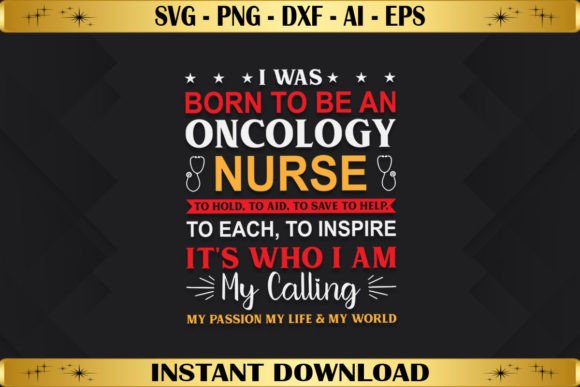
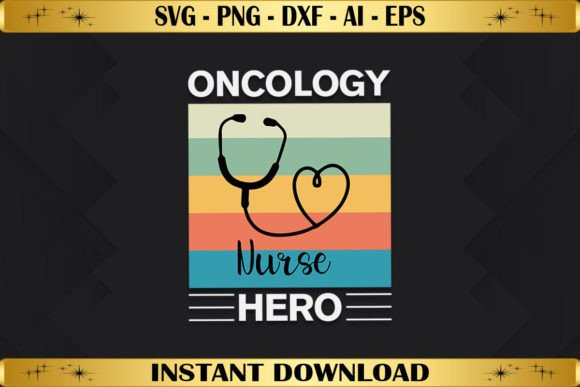
When evaluating a new machine embroidery design for professional or commercial use, I look beyond the digital preview. As a designer and product reviewer, my primary concern is how a graphic translates from a screen to physical thread. The Oncology Nurse Hero design arrives as a versatile package of print-ready files, including SVG, PNG, DXF, AI, and EPS formats. While these are marketed as T-Shirt Designs and Graphics, their clean vector lines suggest significant potential for embroidery digitizing. Before loading this into your software or listing it in your Etsy shop, it is vital to understand how this specific artwork behaves when converted into stitches for real-world projects.
First Impressions and Emotional Resonance
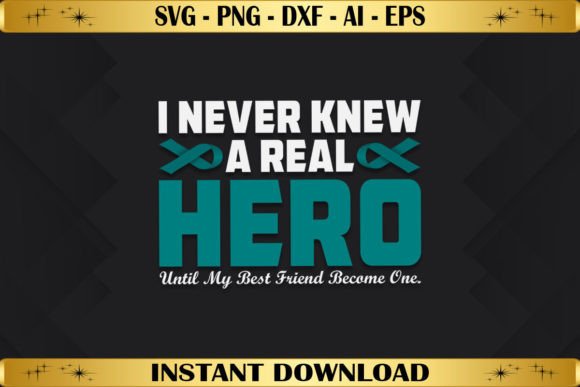
The visual personality of the Oncology Nurse Hero is immediate and poignant. In the oncology niche, designs must strike a delicate balance between professional pride and emotional sensitivity. This graphic avoids overly cartoonish elements, leaning instead into a respectful, heroic aesthetic that resonates with nurses, patients, and families. From a design perspective, the layout appears balanced, which is crucial for embroidery. Asymmetrical or top-heavy graphics often require extensive editing to prevent puckering or distortion in the hoop. This design feels grounded, making it a strong candidate for center-chest placement on custom apparel or as a focal point on a tote bag design.
For craft business owners and handmade shop creators, the mood of this asset supports high-value products. It does not feel like generic clip art; it carries the weight of a specialized profession. When I review digital embroidery file assets, I look for this level of intentionality because it directly impacts buyer engagement. Customers shopping for personalized gifts in the medical field are discerning. They recognize quality and sentiment. Using Oncology Nurse Hero signals that you understand the niche, which builds customer trust and elevates the perceived value of your finished product.
Real-World Application: Stitching a Sweatshirt
To truly judge this design, I mentally walked through a recent client project involving a crewneck sweatshirt for an oncology ward fundraiser. Sweatshirt embroidery presents unique challenges due to the thick, stretchy fleece fabric. If I were adapting Oncology Nurse Hero for this application, my first step would be assessing the line weight. Vector graphics intended for print often have thin lines that disappear or break when stitched. For a sweatshirt, I would recommend converting key outlines to a satin stitch or a thicker running stitch to ensure visibility against the textured fabric.
In this scenario, the design serves as more than just decoration; it becomes a symbol of unity. I envision placing the Oncology Nurse Hero on the left chest, approximately 3 to 4 inches wide. This size respects the garment's drape without creating a stiff, bulletproof patch of stabilizer. For the text elements within the design, legibility is paramount. On fleece, small serif fonts can become muddy. I would advise simplifying any intricate typography in the original SVG before digitizing, perhaps opting for a bold sans-serif that maintains clarity after washing. This practical adjustment ensures the embroidered patch remains readable and professional, even after repeated wear and laundering.
Navigating Fabric Limitations and Hoop Sizes
While Oncology Nurse Hero is versatile, it requires careful consideration regarding where it should not be used without modification. Small hoop sizes, such as 4x4 inches, may force you to shrink the design to a point where details are lost. If the graphic contains fine interior details, reducing it below 3 inches could result in thread breaks or poor registration. Always confirm your hoop size capabilities before committing to this design for baby embroidery or cap projects. Caps, in particular, are unforgiving. The curved surface and structured front panel demand designs with minimal density and open spacing. If Oncology Nurse Hero has dense fill areas, it may cause needle deflection or fabric distortion on headwear.
Fabric texture also dictates success. On smooth cotton or twill, the design will likely perform beautifully with standard tear-away stabilizer. However, on performance wear or moisture-wicking fabrics common in nursing uniforms, you must use a cut-away stabilizer and potentially a water-soluble topping to prevent stitches from sinking into the weave. Dark fabrics present another variable. If the original graphic relies on subtle color gradients or light tones, you will need to adjust thread colors significantly for contrast. I always recommend testing the design in a black-and-white mockup first to verify that the values hold up without relying on color differentiation. This step saves time and prevents wasted materials on low-contrast failures.
Commercial Viability for Makers and Sellers
For Etsy sellers and creative entrepreneurs, Oncology Nurse Hero offers strong commercial potential, provided you respect licensing and production standards. The inclusion of AI and EPS files is a major advantage for those who digitize in-house, as these vectors provide clean nodes for tracing stitch paths. However, never assume a print-ready file is stitch-ready. You must verify stitch density and underlay settings manually. Overly dense designs increase production time and thread consumption, eating into your profit margins on small shop products. Conversely, sparse designs may look cheap. Finding that sweet spot is what separates hobbyists from professionals.
This design is particularly well-suited for holiday embroidery and appreciation gifts. Oncology nurses often receive gifts during Nurses Week, Breast Cancer Awareness Month, and the winter holidays. Having a reliable, emotionally appropriate design asset ready allows you to capitalize on these seasonal peaks. Consider offering it across multiple mediums: a printable mockup for t-shirts, a digital embroidery file for DIY customers, and a finished product like a tea towel or pillow cover. Diversifying how you use Oncology Nurse Hero maximizes your return on investment. Just remember to check the specific license terms included in your zip folder to confirm whether you can sell the digitized file itself or only the physical finished product.
Essential Pre-Stitch Checklist for Professionals
Before running Oncology Nurse Hero on a final garment, adhere to this practical checklist to ensure professional results:
- Test on Scrap Fabric: Never skip this step. Use a fabric scrap that matches the weight and stretch of your final project to check for puckering and registration issues.
- Verify Stabilizer Choice: Match the stabilizer to the fabric, not the design. Stretchy knits need cut-away; stable wovens can use tear-away.
- Check Thread Contrast: View the design in grayscale to ensure elements are distinct. Adjust thread colors if the design loses definition on dark or colored backgrounds.
- Inspect Small Details: Zoom in on the digitized file. Ensure no satin stitches are narrower than 0.8mm to prevent needle damage and fraying.
- Confirm Licensing: Review the documentation in the zip folder. Clarify if commercial embroidery use is permitted and if there are limits on production quantity.
- Evaluate Washability: If creating items for frequent washing like aprons or baby clothes, ensure stitch density is sufficient to withstand agitation without unraveling.
Ultimately, Oncology Nurse Hero is a promising asset for apparel decorators and makers who approach it with technical mindfulness. Its strength lies in its emotional connection and clean aesthetic, but its success in thread depends entirely on your preparation. By respecting the interplay between vector art and textile physics, you can transform this digital graphic into a cherished, high-quality handmade product that honors the heroes it represents. Whether you are creating a single personalized gift or stocking a boutique with commercial embroidery, let practical judgment guide your needle.