I Was Born to Be an Oncology Nurse Design Review
When evaluating a new machine embroidery design for professional or commercial use, my first question is always about emotional resonance versus technical viability. As someone who has digitized and stitched countless medical-themed projects, I approached the "I Was Born to Be an Oncology Nurse" graphic with a critical eye. This isn't just a cute slogan; it is a statement of identity for a specialized field. For Etsy sellers, craft business owners, and makers creating personalized gifts for healthcare workers, understanding how this specific artwork translates from a digital SVG or PNG file into a tangible finished product is essential.
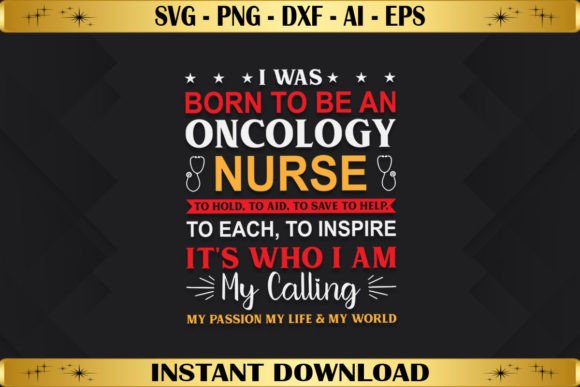
The design features the poignant text: "To Hold, To Aid, To Save, To Help, To Teach, To Inspire." Visually, this layout carries significant weight. It moves beyond generic nursing pride into something deeply specific to oncology care. My initial impression is that this artwork demands respect in its execution. It feels less like a novelty graphic and more like a badge of honor. When considering this for T-Shirt Designs or apparel, the typography and spacing suggest a clean, modern aesthetic that avoids clutter, which is a massive advantage when converting vector graphics into stitch files.
Real-World Application: The Custom Sweatshirt Project
To truly test the versatility of this design, I mentally placed it in a real-life production scenario: creating a custom crewneck sweatshirt for an oncology nurse retiring after twenty years of service. This is a high-stakes embroidery project where the handmade product must convey professionalism and deep sentiment.
In this scenario, the phrase "It’s Who I Am" serves as the anchor. For a sweatshirt, which typically uses heavier fleece or cotton blend fabrics, the design needs to have enough presence to not get lost in the fabric texture. Because the original files are print-ready SVGs and PNGs, they offer excellent scalability. However, as an embroiderer, I know that scaling a vector file doesn't automatically adjust stitch density. If you are using this for sweatshirt embroidery, you must ensure your digitizing software compensates for the pile of the fleece. The words "To Hold" and "To Save" likely require a bold satin stitch or a dense fill stitch to remain legible against the textured background. A thin running stitch might disappear entirely on this garment type, reducing the perceived value of the custom apparel.
Conversely, if I were adapting this design for a lightweight tote bag or a scrub cap, the approach shifts. On a tote bag design made of canvas, the crisp lines of the SVG would translate beautifully into sharp satin columns. The emotional impact of the text remains, but the technical execution becomes cleaner due to the stable weave of the canvas. This duality makes the design a strong asset for shops offering varied merchandise, provided the digitizer adjusts parameters for each substrate.
Technical Considerations for Apparel and Accessories
While the sentiment is universal in oncology, the physical application requires careful planning. Not every surface is suitable for this specific arrangement of text. Here is where practical judgment comes into play for commercial embroidery and hobbyists alike:
- Fabric Texture and Stability: Avoid using this detailed text-heavy design on highly textured terry cloth or uneven knits without significant modification. The intricate lettering required to fit six distinct action verbs plus the main title can become muddy if the fabric pushes and pulls during stitching. Always pair this with appropriate stabilizer; a cut-away stabilizer is non-negotiable for stretchy scrubs or performance tees to prevent distortion of the message.
- Hoop Size Limitations: The vertical or stacked nature of this quote implies a larger footprint. Before purchasing or stitching, confirm your machine’s maximum hoop size. Trying to shrink this design down to a 4x4 hoop may render phrases like "To Inspire" illegible. If you only have a small hoop, consider splitting the design or using only the main title for smaller items like baby onesies or pocket logos.
- Thread Color Contrast: Oncology nurses often wear specific colored scrubs (frequently navy, ceil blue, or maroon). Test your thread colors against these backgrounds. White thread on light grey heather fabric lacks the contrast necessary for readability. High contrast ensures the message is seen instantly, which is vital for small shop product photography and customer satisfaction.
- Curved Surfaces: Be cautious when applying this to caps. The horizontal span of "I Was Born to Be an Oncology Nurse" combined with the subtext may exceed the flat stitching area of a standard cap frame. Curving the text excessively can distort letter spacing. For hats, I recommend testing a simplified version or verifying the design fits within the safe zone of your specific cap driver.
Elevating Product Value and Brand Trust
For digital product sellers and makers, how you present this design matters as much as how you stitch it. Using the included PNG file for printable mockups allows you to showcase the design on various garments before a single needle is threaded. This helps buyers visualize the final result, whether they are purchasing the digital file or a finished embroidered item.
However, visual appeal goes beyond mockups. In the niche of medical apparel, accuracy and tone build trust. This design avoids cartoonish elements, making it appropriate for serious professionals. When listing this as part of your design assets or finished inventory, emphasize the dignified nature of the typography. Customers looking for holiday embroidery gifts for nurses or retirement tributes are seeking quality that matches the gravity of the profession. A well-executed stitch-out of this design signals that you understand the audience. Sloppy registration or poor tension on such a meaningful phrase can damage your reputation as a maker. Conversely, a pristine execution establishes you as a specialist in medical-themed craft business goods.
Essential Designer Notes Before You Stitch
Before loading this design into your machine or listing it in your shop, adhere to these practical checkpoints to ensure success:
- Verify Licensing: The product description mentions print-ready files, but always double-check the license terms regarding commercial embroidery. Confirm whether you can sell finished physical products, digital embroidery files, or both. Respecting intellectual property is foundational to a sustainable Etsy business.
- Test on Scrap Fabric: Never stitch this directly onto a client’s garment without a test run. Use a scrap piece of similar weight and texture. Check for puckering around the dense text areas and verify that the smallest letters are open and clear.
- Check Digitizing Parameters: Since you receive SVG and PNG files, remember these are vectors, not native embroidery formats (like DST or PES). You or your digitizer must create the stitch path. Do not rely on auto-digitizing software for text this meaningful. Manually adjusting underlay and pull compensation ensures the letters align perfectly.
- Mockup in Black and White: View the design in grayscale to check value contrast. If the design relies solely on color differences rather than value differences, it may fail on certain fabric shades. This step is crucial for ensuring accessibility and visual clarity in your personalized gift offerings.
- Wash Testing: Oncology nurses wash their scrubs frequently in hot water. If producing custom apparel for this demographic, test the wash durability of your chosen threads and stabilizers. Rayon may fade or shred over time; polyester or matte-finish threads often hold up better in industrial laundry environments.
Ultimately, "I Was Born to Be an Oncology Nurse" is a powerful design asset when treated with technical precision. It bridges the gap between digital art and wearable tribute. By respecting the fabric limitations, prioritizing legibility, and honoring the emotional weight of the text, you transform a simple graphic into a cherished keepsake. Whether you are creating a boutique collection or a single heartfelt gift, let your craftsmanship reflect the dedication described in the design itself.