I Wear Black for My Mom Melanoma: Design Review
As a professional embroidery digitizer and product reviewer, I approach every new graphic with a specific question: will this actually stitch out well on physical fabric? When evaluating the I Wear Black for My Mom Melanoma design, my assessment goes far beyond the screen. While this asset is marketed as print-ready graphics for T-Shirt Designs, its clean lines and bold messaging make it a compelling candidate for machine embroidery projects. However, translating a vector graphic into thread requires careful consideration of stitch density, fabric texture, and emotional resonance. This review breaks down how this specific melanoma awareness design performs when moved from digital file to finished handmade product.
Visual Weight and Emotional Resonance in Thread
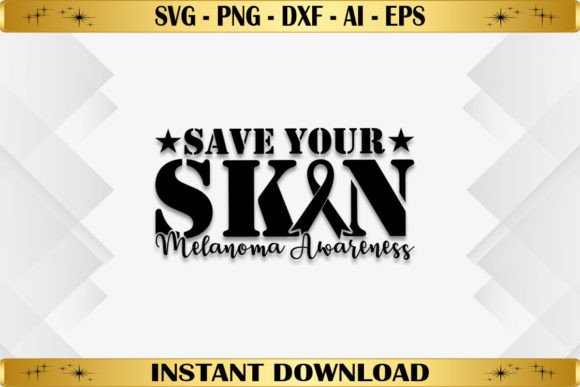
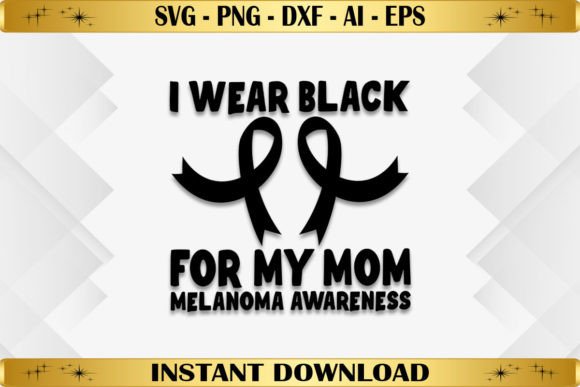
The first impression of I Wear Black for My Mom Melanoma is one of solemn strength. The typography is typically bold and sans-serif, which is excellent for embroidery because it allows for clear satin stitch or fill stitch definition without losing legibility. In awareness merchandise, clarity is kindness; the message must be readable from a distance. From a designer’s perspective, the layout feels balanced. It avoids overly ornate flourishes that often cause registration issues on stretchy fabrics like jersey knits or sweatshirt fleece.
When I visualize this as an embroidered patch or chest logo, the negative space works in our favor. Unlike complex illustrations that require high stitch counts and heavy stabilizer, this text-based advocacy design relies on shape and contrast. This makes it versatile for various applications, from a subtle left-chest placement on a custom apparel piece to a larger centered design on a tote bag. The mood is respectful yet visible, striking the right tone for a personalized gift or a fundraiser item where the wearer wants to show support without overwhelming the garment's aesthetic.
Real-World Application: Stitching on Heavyweight Fleece
To truly test the viability of this embroidery file, let’s consider a real-life scenario: creating a commemorative sweatshirt for a melanoma awareness walk. Sweatshirts are a staple for these events, but the fuzzy texture of fleece can swallow fine details. Because I Wear Black for My Mom Melanoma utilizes solid shapes rather than intricate shading, it is inherently suited for this challenge.
In this application, I would treat the design as a hybrid applique design or a dense fill stitch project. If using the provided SVG or DXF files to create a custom digitization, I recommend adding a tack-down stitch that extends slightly beyond the lettering edges. This prevents the fleece pile from poking through the threads, ensuring the black ink—or in this case, black thread—remains crisp. For a sweatshirt embroidery project, the visual appeal hinges on this contrast. A matte black thread on a heather grey or white fleece creates a premium, boutique-quality look that elevates the item above standard screen-printed alternatives. Customers receiving this as a holiday gift or memorial item will notice the tactile quality of the stitching, which adds significant perceived value to the handmade product.
Navigating Fabric Limitations and Hoop Constraints
While the design is robust, there are specific environments where I Wear Black for My Mom Melanoma demands caution. As an experienced crafter, I must emphasize that not all fabrics handle bold text equally. On thin, stretchy fabrics like baby clothes or lightweight performance tees, large solid areas of stitching can cause puckering or distortion. If you are planning baby embroidery or items for delicate wearers, consider scaling the design down or converting solid fills to running stitch outlines to reduce stitch density.
Curved surfaces present another challenge. If you intend to use this on caps or hats, verify the aspect ratio. Wide, horizontal text layouts often distort on the curved brim area. You may need to re-digitize or arc the text within your embroidery software to maintain proper spacing. Additionally, be mindful of small hoop sizes. If the design includes smaller subtext or date details, ensure they remain legible at reduced scales. Tiny lettering often turns into a muddy mess if the satin stitch columns become narrower than 1mm. Always check the minimum recommended size before committing to a production run for your Etsy seller shop or craft business.
Technical Considerations for Digital Assets and Digitizing
This product arrives as a zip compressed folder containing 1x SVG, 1x PNG, 1x DXF, 1x AI, and 1x EPS file. It is crucial to understand that these are vector graphics, not pre-digitized embroidery files like DST or PES. For commercial embroidery professionals and hobbyists alike, this is actually an advantage. It means you have total control over the stitch type, direction, and density.
When importing the SVG or DXF into your digitizing software, pay close attention to the node count. Sometimes vector files intended for print have excessive anchor points that translate to unnecessary trims and jumps in embroidery. Simplify the paths before assigning stitch parameters. Test the design on scrap fabric first, specifically the fabric you intend to sell. Check thread color contrast under different lighting conditions; black thread can sometimes look dark navy or charcoal depending on the sheen. Use proper stabilizer—a cut-away for knits and tear-away for wovens—to ensure the final product maintains its shape after washing. Confirm licensing terms explicitly before listing finished items or digital embroidery files for sale, as "print ready" does not automatically grant commercial embroidery rights.
Elevating Product Value and Customer Trust
Using I Wear Black for My Mom Melanoma effectively can significantly impact buyer engagement and brand consistency. In the niche of awareness merchandise, customers are looking for authenticity and quality. A well-executed embroidery project signals care and permanence that vinyl or ink cannot replicate. When creating printable mockups for your online listings, show the texture of the stitches. Highlight how the design sits flat against the fabric without excessive backing showing.
For small shop products and Etsy listings, photography is key. Display the design on both light and dark fabric backgrounds to demonstrate versatility. If offering this as part of a collection, ensure the stitch style matches your other designs to maintain a cohesive brand identity. Whether it is a kitchen towel, a nursery decor pillow, or a custom apron, the consistency of your execution builds customer trust. Remember that for many buyers, this is not just a purchase; it is a statement of love and loss. Treating the I Wear Black for My Mom Melanoma design with technical precision and emotional respect ensures your finished product honors that sentiment while standing up to the rigors of daily wear and washing.