Melanoma Cancer 10 Years Free: An Embroidery Review
Evaluating the Emotional Weight and Visual Balance
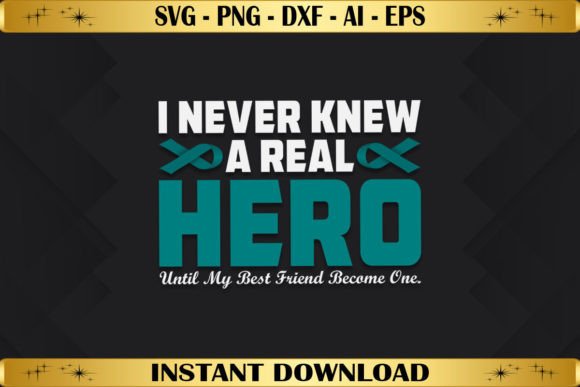
When I first opened the zip folder for the Melanoma Cancer 10 Years Free design, I wasn't just looking at a graphic; I was evaluating a milestone. As an experienced designer and product reviewer, I approach awareness graphics differently than standard decorative art. This isn't merely about aesthetics; it is about respecting a survivor's journey while creating a wearable testament to resilience. The initial impression of this artwork is one of celebratory relief. The layout suggests a balance between the seriousness of the diagnosis and the joy of the ten-year mark. For those of us in the craft business or running an Etsy seller shop, understanding this emotional nuance is critical before we ever thread a needle.
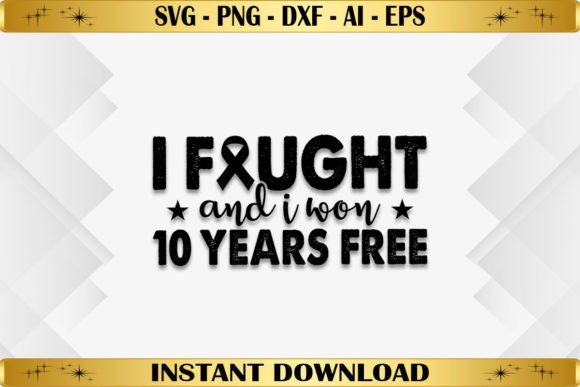
The provided files include SVG, PNG, DXF, AI, and EPS formats. While these are marketed as print-ready files for T-Shirt Designs and Graphics, my primary focus here is translating this vector art into a viable machine embroidery design. Vectors are excellent starting points because they offer clean lines that digitizing software can interpret accurately. However, a screen graphic behaves differently than thread on fabric. My immediate assessment focused on the negative space and line weight. Does the "10 Years" text have enough structural integrity to support a satin stitch without sinking into the fabric? Is the melanoma ribbon distinct enough to remain recognizable when scaled down for a chest logo or sleeve patch? These are the questions that determine if a digital file becomes a cherished personalized gift or a frustrating failed project.
Real-World Application: Stitching a Survivor Sweatshirt
To truly test the viability of Melanoma Cancer 10 Years Free, I approached it with a specific embroidery project in mind: a custom heavyweight sweatshirt for a client celebrating their decade cancer-free anniversary. Sweatshirts present unique challenges due to the fleece backing and stretchy knit face. Unlike a flat weave cotton, the texture can swallow fine details.
In this scenario, I treated the source file as a blueprint for a combination applique design and fill stitch motif. Using the SVG as a guide, I visualized placing the main ribbon shape in a black fabric applique to reduce stitch density and prevent the garment from becoming bulletproof. The "10 Years Free" text required careful digitizing attention. On a sweatshirt, thin seriffed fonts often get lost. I opted to convert the lettering into a bold, slightly rounded sans-serif column stitch to ensure legibility against the fabric texture. The result was a finished product that felt soft to the touch but visually striking. This practical adaptation highlights why you cannot simply auto-digitize a print file and expect professional results. The design assets provided give you the creative freedom to make these necessary adjustments for custom apparel, ensuring the final piece honors the occasion with quality craftsmanship.
Navigating Fabric Limitations and Hoop Constraints
While this design celebrates a massive victory, it requires technical respect during production. There are specific environments where Melanoma Cancer 10 Years Free demands caution. If you are planning baby embroidery or items for delicate skin, the original graphic may be too dense. Infant onesies and lightweight tees cannot support high-density fill stitches without distorting the garment. In these cases, I strongly recommend converting the design to a running stitch outline or a minimalist redwork style. This maintains the message while preserving the drape and comfort of the fabric.
Furthermore, consider your hoop size limitations. Awareness designs often look best when centered and prominent. If you are working with a 4x4 hoop, you may need to separate the ribbon from the text or simplify the "10 Years" element to avoid excessive jump stitches and repositioning marks. Curved surfaces like caps are another area of concern. The horizontal span of a "10 Years Free" banner can warp on a curved brim. For commercial embroidery on hats, I advise testing the arching of the text first. A design that looks perfect flat may appear distorted once wrapped around a cap frame. Always verify that the aspect ratio fits your specific hardware before committing to a production run for your small shop product line.
Impact on Product Value and Customer Trust
In the niche of medical awareness merchandise, trust is your currency. Customers seeking Melanoma Cancer 10 Years Free items are often buying for themselves or loved ones during emotionally charged moments. A poorly executed embroidered patch or a shirt with puckered stabilizer sends the wrong message. It implies carelessness rather than celebration. Conversely, a crisp, well-stabilized design communicates professionalism and empathy.
Using high-quality digital embroidery file adaptations of this graphic elevates the perceived value of your work. When the stitch-out is clean, with proper underlay and tension, the item transitions from a basic commodity to a keepsake. This distinction is vital for Etsy sellers and boutique owners. Your listing photos should reflect this quality. Utilize the included PNG file to create accurate printable mockup previews, but always pair them with photos of actual stitched samples. Buyers want to see how the thread sheen interacts with the design. They need to know that the "10 Years" will still be legible after washing. Demonstrating this level of foresight builds buyer engagement and reduces return rates caused by unmet expectations.
Essential Designer Notes for Safe Execution
Before you load Melanoma Cancer 10 Years Free into your machine for a client order, adhere to these professional protocols:
- Test on Scrap Fabric First: Never assume the digitized version matches the vector perfectly. Run a test sew-out on the exact fabric type you intend to use. Check for registration issues between the ribbon and the text.
- Verify Thread Color Contrast: Melanoma awareness typically uses black. Ensure your black thread has sufficient contrast against dark garments. You may need to add a white outline or border stitch to make the design pop on navy or charcoal fabrics.
- Review Stitch Density: Since the source files are vectors (SVG, AI, EPS), they do not contain stitch data. You must confirm your digitizing settings. Avoid over-densifying fills, which causes thread breaks and fabric distortion.
- Stabilizer Selection: Match the stabilizer to the fabric weight. Use cut-away stabilizer for knits and sweatshirts to prevent stretching. Use tear-away only for stable, woven fabrics like canvas tote bags or tea towels.
- Licensing Confirmation: The product description lists file types but does not explicitly detail commercial embroidery licensing terms. Before selling finished items or digital stitch files derived from this artwork, contact the creator to confirm you have the right to sell physical products. Protecting your business means respecting intellectual property.
- Mockup Accuracy: When using the PNG for marketing, ensure it represents the realistic scale of embroidery. Do not mislead customers by showing a massive print-scale image if the actual embroidered version will be three inches wide.
Final Thoughts on Versatility and Respect
The Melanoma Cancer 10 Years Free collection offers a powerful foundation for creators. Whether you are producing a tote bag design for a fundraising walk, a holiday gift for a survivor, or inventory for your online store, the versatility of having SVG, DXF, and AI files allows for extensive customization. However, the transition from screen to stitch requires a thoughtful, human touch. By prioritizing fabric compatibility, stitch clarity, and emotional resonance, you transform a simple graphic into a meaningful symbol of survival. Remember that in this category, technical excellence is a form of storytelling. Every smooth satin stitch and perfectly placed applique tells the recipient that their milestone matters. Take the time to refine your process, check your licenses, and test your materials. The result will be a product that stands the test of time, much like the survivors it celebrates.