Pontoon Captain Vintage US Flag: Embroidery Review
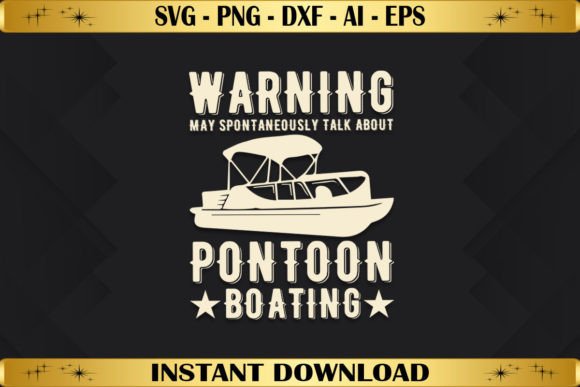
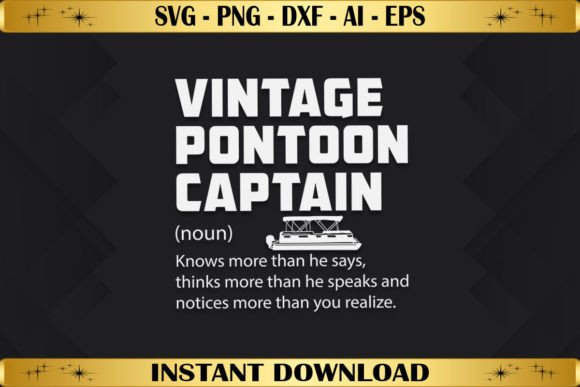
As a professional embroidery digitizer and product reviewer, I approach every new graphic with a specific question: will this actually stitch out cleanly on fabric? When evaluating the Pontoon Captain Vintage US Flag design, my assessment goes far beyond the screen. While this asset is marketed primarily under T-Shirt Designs and Graphics, its potential for machine embroidery projects requires a critical eye toward structure, density, and end-use application. The vintage aesthetic suggests a nostalgic, relaxed mood that appeals strongly to lake life enthusiasts, but translating that digital charm into a tangible embroidered patch or custom apparel piece demands technical consideration.
First Impressions and Visual Hierarchy
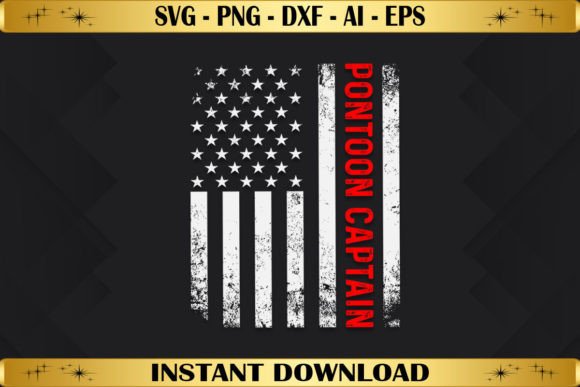
Upon opening the zip compressed folder containing the SVG, PNG, DXF, AI, and EPS files, the first thing I noticed was the balanced composition. The integration of nautical elements with the distressed American flag creates an immediate emotional connection for the target demographic. For an embroidery designer, this layout is promising because it typically avoids extreme aspect ratios that can be difficult to hoop. The "vintage" style usually implies softer edges and less rigid geometry, which can be forgiving during the stitching process compared to sharp, modern vector art.
However, as a graphics file rather than a pre-digitized embroidery file, this design serves as a high-quality source template. Before loading this into digitizing software, I assess the line weight and negative space. The Pontoon Captain Vintage US Flag appears to have sufficient separation between elements, which is crucial when converting to satin stitch or fill stitch areas. If the details are too intricate in the original vector, they risk becoming muddy thread blobs once rendered in polyester or rayon. The visual personality here feels rugged yet refined, making it an excellent candidate for mid-weight fabrics where the texture of the stitch can complement the vintage theme rather than fight against it.
Real-World Application: The Canvas Tote Test
To truly evaluate this design, I mentally placed it in a real-life production scenario: creating a premium canvas tote bag for a boutique marina gift shop. This is a classic use case for a pontoon captain theme. In this context, the design needs to hold up against the coarse weave of canvas while remaining legible from a distance.
For this specific embroidery project, I would utilize the provided SVG or EPS file to create a custom digitization optimized for heavy stabilizer and canvas fabric texture. The vintage flag element lends itself beautifully to a combination of running stitch outlines and textured fill stitches to mimic the worn look of the graphic. Using a standard flat fill might make the design look too plastic or shiny, detracting from the rustic vibe. Instead, incorporating cross-hatch or stipple fills within the flag stripes can enhance the handmade product feel. Customers buying these bags expect a certain level of artisanal quality; if the Pontoon Captain Vintage US Flag is stitched with appropriate density and thread colors that match the muted tones of the original art, the perceived value of the finished product increases significantly.
Navigating Fabric Limitations and Hoop Sizes
While the design is versatile, there are specific environments where caution is necessary. As an experienced crafter and business owner, you must consider the substrate before committing to a full production run.
- Stretchy Knits and Performance Wear: If applying this to lightweight moisture-wicking shirts, the vintage distressing details could cause puckering. The multiple color changes and potential density variations required to replicate the graphic might be too heavy for thin fabric without aggressive stabilization.
- Curved Surfaces: When adapting this for caps or hats, the horizontal span of a flag design can be problematic. You may need to slightly arc the text or compress the flag element to fit the curved sewing field without distorting the proportions.
- Small Hoop Sizes: If you are working with a 4x4 hoop size, verify that the smallest text elements in the Pontoon Captain Vintage US Flag remain legible. Lettering below 0.25 inches often requires simplification or conversion to a simpler font style to prevent needle breaks and poor registration.
- Dark Fabrics: Since this is a print-ready graphic, ensure your digitized version accounts for contrast. White or cream thread on navy fabric works well for the vintage flag, but test swatches are mandatory to ensure the "distressed" gaps don't just look like missing stitches.
Commercial Viability for Etsy Sellers and Shops
For Etsy sellers and small shop owners, this design asset offers strong commercial potential, provided it is executed correctly. The niche appeal of pontoon boaters is passionate and willing to spend on personalized gear. However, buyer engagement relies heavily on presentation. When listing items featuring this design, your printable mockup should accurately reflect how the embroidery interacts with the fabric.
I recommend testing the design in both black and white mockups as well as full-color renders to see which highlights the stitch texture best. Professionalism in your listing photos builds customer trust. If the design looks crisp and well-aligned in your photos, buyers assume the physical product will match. Furthermore, always confirm licensing terms included in your download. Just because you have the AI or DXF file does not automatically grant unlimited commercial embroidery rights. Verifying this protects your craft business from future legal issues and ensures you are supporting the original artist ethically.
Technical Notes for Digitizers and Makers
Because you are receiving graphics files (SVG, PNG, DXF, AI, EPS) rather than machine-specific embroidery formats like DST or PES, the success of this project hinges on your digitizing skills or your choice of digitizer. Here are practical notes for transitioning this from screen to stitch:
- Simplify Distress Textures: Do not attempt to stitch every pixel of grunge texture. Interpret the vintage look through stitch direction and density maps instead. Too many tiny jumps will ruin the flow and increase production time.
- Stabilizer Selection: For a design with this much coverage, use a cut-away stabilizer for knits and a heavy tear-away or wash-away for woven fabrics. The stitch density required to cover the flag area will distort lighter materials without proper support.
- Thread Color Matching: Vintage flags often use off-whites, muted reds, and navy blues. Standard bright red and blue embroidery threads may look too saturated. Consider using variegated or matte finish threads to better capture the intended mood.
- Test on Scrap Fabric First: Never run a final product without a sew-out. Check for registration errors between the flag stripes and any overlaying text or icons. Adjust pull compensation based on your specific machine's tension.
- Review Stitch Density: Ensure the design isn't bulletproof. A dense vintage graphic on a t-shirt can make the garment unwearable. Aim for a balance where the fabric still drapes naturally beneath the embroidered patch area.
Final Verdict on Design Utility
The Pontoon Captain Vintage US Flag is a robust graphic asset that translates well to embroidery when treated with respect for the medium. It avoids the trap of being overly complex while retaining enough character to stand out on sweatshirts, aprons, and marine accessories. For the creative entrepreneur, it bridges the gap between digital art and tactile merchandise effectively.
Success with this design lies in the interpretation. By focusing on appropriate stitch types, respecting fabric limitations, and maintaining the integrity of the vintage aesthetic through thoughtful digitizing, you can create a high-value product that resonates with customers. Whether you are making a personalized gift for a boat captain or stocking your online store with summer essentials, this design provides a solid foundation for quality embroidery work. Always remember to check your specific file usage rights and perform thorough testing to ensure your finished product meets the professional standards your brand represents.