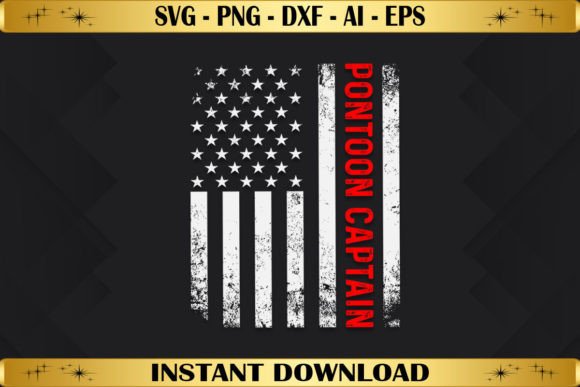
Pontoon Captain Talk About Pontoon: Design Review
As a designer who spends more time behind an embroidery machine than a computer screen, I approach every new graphic with a specific question: will this actually stitch out cleanly, or is it just a pretty picture? When evaluating the Pontoon Captain Talk About Pontoon design for real-world application, my focus shifts immediately from digital aesthetics to physical execution. This design captures a very specific niche humor that resonates deeply with boat owners and lake enthusiasts, but translating that personality into thread requires a careful assessment of line weight, text hierarchy, and overall composition.
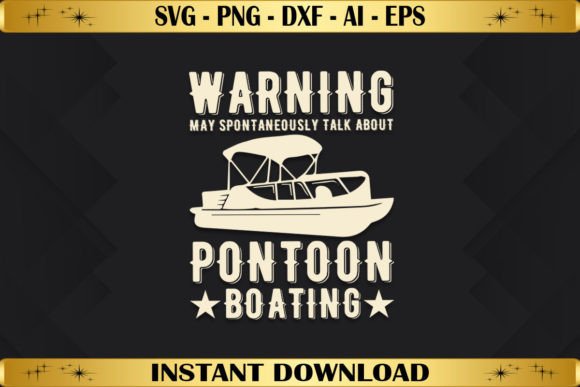
The first impression of this artwork is its bold, conversational confidence. It does not rely on intricate shading or photorealistic elements, which is often a red flag for machine embroidery. Instead, it leans into strong typography and clear iconography. For those of us in the T-Shirt Designs category, this is a significant advantage. The layout suggests a design that was created with production in mind rather than as an afterthought. The visual mood is relaxed yet authoritative, perfectly matching the "captain" persona. When I look at the vector lines in the provided SVG and AI files, I see clean paths that should convert smoothly into satin stitches or fill areas without excessive manual digitizing cleanup.
Real-World Application: The Custom Sweatshirt Test
To truly understand the value of this machine embroidery design, I mentally placed it on a heavyweight cotton sweatshirt intended as a personalized gift for a client who hosts weekly lake parties. In this scenario, the design needs to be legible from a distance while maintaining charm up close. The phrase "Talk About Pontoon" serves as an excellent conversation starter, making it ideal for social gatherings where the wearer wants to signal their hobby.
For this specific embroidery project, the design’s structure allows for versatile placement. On a sweatshirt, I would center it on the chest, ensuring the text remains above the natural drape of the fabric so it doesn't distort when worn. Because the graphics are included as print-ready files (SVG, PNG, DXF, AI, EPS), I also considered a mixed-media approach. For larger sizes where full embroidery might become too dense or stiff, using the PNG file for a high-quality DTG print or heat transfer vinyl background, combined with embroidered accents for the main title, creates a premium handmade product feel without compromising wearability. This flexibility is crucial for Etsy sellers and small shop owners managing different inventory types.
Navigating Fabric Texture and Stabilizer Choices
While the design is robust, its performance depends heavily on your substrate. Pontoon culture involves everything from crisp performance polos to vintage-washed tees and terry cloth towels. Each presents unique challenges for this digital embroidery file.
- Performance Knits: If stitching this onto moisture-wicking apparel, the open areas of the lettering can tunnel if the tension isn't perfect. Use a lightweight cut-away stabilizer and consider a water-soluble topping to prevent the stitches from sinking into the knit texture.
- Tote Bag Canvas: As a tote bag design, this graphic shines. The sturdy canvas provides a stable base for satin stitch borders. However, ensure your hoop size accommodates the full width without requiring re-hooping, as alignment marks on thick canvas can be tricky.
- Caps and Curved Surfaces: The horizontal nature of the text makes this suitable for caps, but only if you have a cap frame. The design’s aspect ratio must be checked against your specific cap blank; some pontoon graphics are too wide for structured fronts without resizing.
I always advise testing on scrap fabric first. Check the stitch density in the software before running the final piece. If the letters are filled with dense tatami stitches, they may pucker lightweight fabrics. Adjusting the underlay or switching to a lighter fill pattern can save a garment.
Commercial Viability for Makers and Sellers
For creative entrepreneurs, the commercial viability of Pontoon Captain Talk About Pontoon lies in its specificity. Generic nautical designs are everywhere, but this targets a passionate sub-niche. When listing this as a finished product or using it in printable mockups for digital sales, the clarity of the PNG and EPS files ensures your marketing materials look professional. Blurry mockups kill conversion rates; having high-resolution source assets means your Etsy listings will display crisp details even on mobile screens.
However, a note of caution regarding licensing and usage: always verify the specific terms included in your zip folder. While the files are versatile design assets, confirming whether you can sell the digital file itself versus only the physical embroidered end product is essential for protecting your business. Assuming the license permits physical goods, this design has high potential for holiday embroidery gifts, father’s day specials, and retirement presents for boat lovers.
Technical Considerations for Stitch Clarity
Even the best vector art needs a skilled operator. When preparing this embroidery file for production, pay attention to the following technical details to ensure customer trust and product quality:
- Text Legibility: If you resize the design down for a baby bib or sleeve cuff, verify that the smallest text elements remain above 4mm in height. Anything smaller risks becoming illegible blobs of thread. You may need to simplify the font or remove secondary taglines for miniature applications.
- Thread Color Contrast: This design likely relies on high contrast for readability. Test your thread colors against both light and dark fabric backgrounds. A navy thread on a black shirt might look sophisticated digitally but disappear physically. Always run a black-and-white simulation in your software to check value contrast.
- Corner Definition: Inspect the corners of any boxy elements or serifs. Sharp internal corners can cause needle breaks or thread bunching. Adding a slight pull compensation or rounding microscopic corners during digitizing can prevent production headaches.
- Wash Durability: Pontoon gear gets wet and washed frequently. Ensure your top thread and bobbin thread are colorfast. Using polyester thread rather than rayon is recommended for items that will face sun exposure and chlorine, preserving the vibrancy of the custom apparel.
Final Verdict on Design Usability
Ultimately, Pontoon Captain Talk About Pontoon succeeds because it balances thematic relevance with technical pragmatism. It avoids the common pitfall of overly complex gradients that plague novice embroidery designs. Whether you are creating a boutique collection of lake wear, fulfilling a custom order for a marina gift shop, or simply making a fun apron for your own weekend trips, this graphic provides a solid foundation.
The inclusion of multiple file formats (SVG, PNG, DXF, AI, EPS) demonstrates an understanding of the modern maker's workflow. It acknowledges that we don't just embroider; we print, cut vinyl, and create digital content. By respecting the limitations of thread while maximizing the appeal of the subject matter, this design earns its place in a professional library. Just remember to respect the physics of your machine: stabilize properly, test relentlessly, and let the clean lines of the artwork do the heavy lifting. When executed well, this isn't just a design; it's a wearable badge of honor for every captain on the water.